A major legal battle involving President Donald Trump has now moved closer to members of his immediate family, with the BBC seeking permission to subpoena Donald Trump Jr., Ivanka Trump and Jared Kushner for testimony and potentially relevant records in connection with Trump’s $10 billion defamation lawsuit against the British broadcaster. The latest court maneuver adds a significant new dimension to a case that was already attracting international attention.
Trump filed the lawsuit in December 2025, accusing the BBC of defaming him through its editing of his January 6, 2021, speech in a documentary broadcast before the 2024 U.S. presidential election. Trump alleges that separate portions of his speech were edited together in a way that created a misleading impression about what he told supporters before the attack on the U.S. Capitol. The BBC has denied that its actions amounted to defamation.
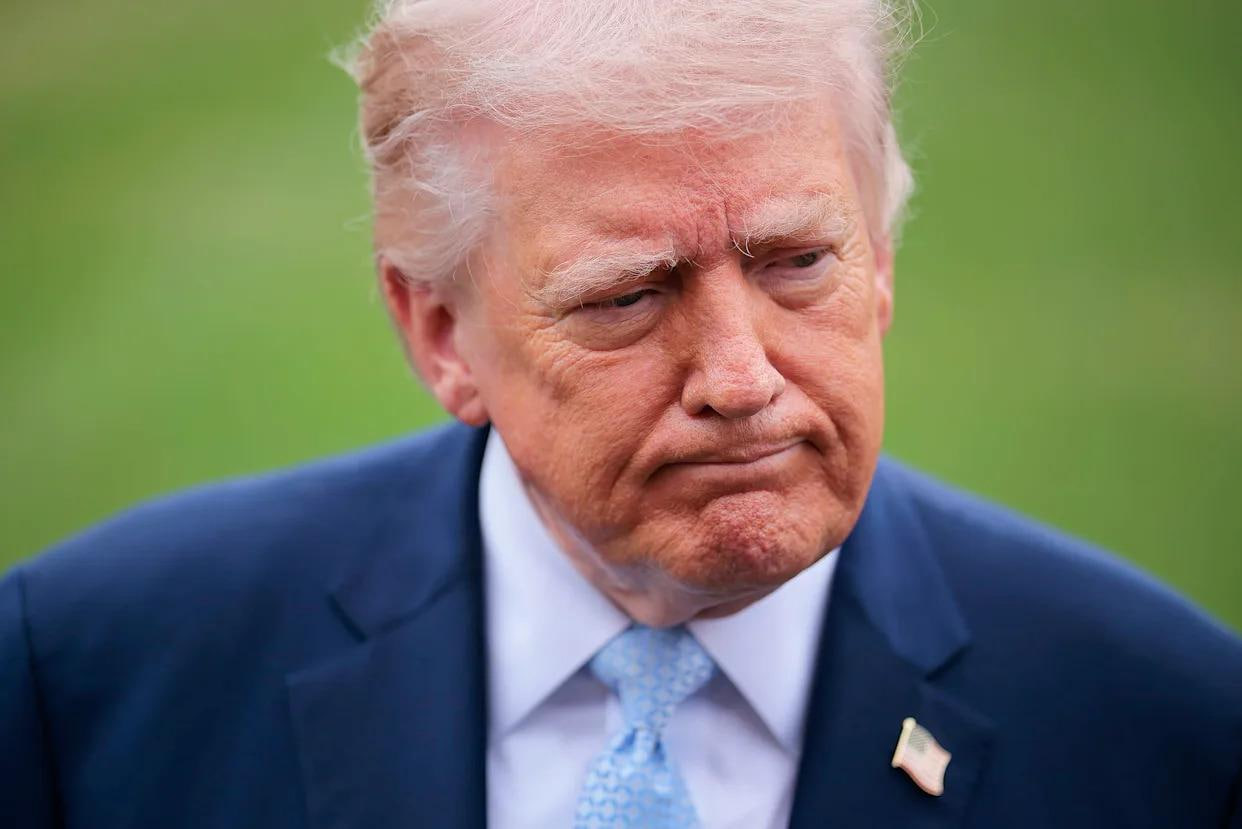
The dispute has now expanded beyond Trump himself because BBC attorneys argue that several members of his family may possess firsthand information relevant to the central questions in the case. According to court filings reported by multiple outlets, the broadcaster wants testimony from Trump’s eldest son, Donald Trump Jr.; his daughter Ivanka Trump; and Ivanka’s husband, Jared Kushner.
The BBC argues that Donald Jr. and Ivanka were around their father as he prepared and delivered the January 6 speech and therefore may have knowledge concerning his intentions, his preparation for the remarks and the circumstances surrounding what he said that day. Because Trump’s lawsuit challenges the way the BBC characterized the speech, information concerning his intentions has become potentially important to the broadcaster’s defense.
Kushner could also become important to the case for a different reason. According to reporting on the BBC’s filing, Kushner was involved in drafting a proposed statement for Trump addressing the January 6 violence. The BBC argues that this history could make his testimony relevant when determining how Trump and people close to him viewed the events as they unfolded.
However, obtaining testimony from members of the president’s family has proven more complicated than simply delivering subpoenas.
BBC representatives previously attempted to serve Ivanka Trump and Jared Kushner at their Florida residence but reportedly could not gain access because of security arrangements surrounding them. An attempt to serve Donald Trump Jr. at Trump Tower in New York also did not succeed. The broadcaster subsequently sought permission from the court to use alternative methods of delivering the subpoenas.
Secret Service protection has become a practical issue in the dispute. According to the BBC’s court filing as described by Forbes, law-enforcement officers prevented a process server from reaching Ivanka and Kushner at their Florida home. The Secret Service later reportedly said it was not authorized to accept the subpoenas on their behalf.
The BBC is therefore asking the federal court to permit other methods, potentially including certified mail or service through attorneys. The request does not mean that the three family members have been accused of wrongdoing. Instead, the broadcaster is seeking them as potential witnesses or sources of information in litigation initiated by Trump himself.
That distinction is important. Donald Trump Jr., Ivanka Trump and Jared Kushner are not defendants in Trump’s lawsuit against the BBC based on the current reporting. Their involvement arises from the broadcaster’s argument that they may know facts relevant to Trump’s claims and to the BBC’s defense.
At the heart of the lawsuit is Trump’s claim that the BBC seriously damaged his reputation through its presentation of his January 6 speech. Trump is seeking a total of $10 billion in damages, making the litigation one of his most financially significant media-related legal battles. The BBC disputes his claims and has continued preparing a broad defense.
One particularly important issue has been the question of damages.
Earlier stages of the case focused heavily on Trump’s financial records because he initially alleged damage involving both his reputation and business interests. The BBC argued that if Trump claimed billions of dollars in financial harm, it should be permitted to examine records that could show whether his businesses actually suffered losses connected to the documentary.
A federal judge temporarily paused an order requiring Trump to disclose detailed financial information while considering an amended version of the president’s complaint. Trump’s lawyers sought to narrow the case toward reputational harm, a change that could potentially limit the amount of business information he would have to provide during discovery.
That fight over financial disclosure illustrates why testimony from family members could become significant.
If the lawsuit increasingly centers on Trump’s reputation rather than measurable business losses, witnesses who knew him before and after the BBC documentary could potentially be questioned about whether and how his reputation changed. The BBC has specifically argued that Trump’s family members may have information relevant to his reputation as well as his intentions surrounding the January 6 speech.
The dispute also presents an unusual situation in which a lawsuit initiated personally by a sitting U.S. president could require members of his own family to participate in discovery.
Donald Trump Jr. has remained deeply connected to the Trump family’s political and business world. Ivanka Trump, meanwhile, was one of her father’s senior advisers during his first presidency but later stepped back substantially from frontline politics. Jared Kushner also served as a senior White House adviser during Trump’s first administration. Their proximity to Trump during that period is one reason the BBC believes they could possess information useful to its defense.
The legal confrontation stems from a BBC documentary that included edited footage of Trump’s January 6 speech. Trump argues that the presentation falsely suggested that he encouraged supporters to engage in violence. The BBC has acknowledged problems with the edit and apologized, but it has maintained that the circumstances do not establish the massive defamation liability Trump alleges.
The broadcaster’s lawyers are therefore attempting to gather evidence concerning the speech itself, Trump’s intentions, his actions surrounding January 6 and the extent of any reputational damage allegedly caused by the documentary.
For Trump, the stakes extend beyond money.
The case involves one of the most disputed events of his political career and questions surrounding how his actions on January 6 should be portrayed publicly. A legal proceeding that requires examination of conversations, preparations and statements involving people closest to him could bring renewed scrutiny to events that have been debated for years.
For his family, the latest development means that a lawsuit initially framed as a direct confrontation between Trump and one of the world’s largest broadcasters may now involve them personally as potential witnesses.
However, the court still has important decisions to make. The BBC’s request for alternative service does not automatically guarantee that all three family members will ultimately testify, nor does it determine what information they could be required to provide. A judge will have to resolve procedural disputes surrounding service and discovery as the litigation continues.
Trump’s attorneys oppose the BBC’s effort to subpoena his family members, according to the broadcaster’s filing. At the time of the most recent reports, the court had not yet issued a final ruling determining when or how the requested subpoenas would proceed.
The development nevertheless represents a notable escalation.
What began as Trump’s attempt to hold the BBC financially responsible for a controversial documentary edit has expanded into a complicated discovery battle involving his finances, his reputation, his January 6 speech and now potentially his closest family members.
The coming court decisions could determine just how deeply Donald Trump Jr., Ivanka Trump and Jared Kushner become involved.
If the subpoenas are authorized and enforced, their testimony could potentially provide the BBC with firsthand accounts concerning Trump’s preparation for January 6, his state of mind surrounding the speech and discussions within his family and political circle during one of the most consequential days of his first presidency.
If Trump succeeds in limiting that discovery, however, the BBC could have considerably less access to those private conversations and family perspectives.
Either way, the $10 billion lawsuit has clearly moved into a new phase.
For a president accustomed to legal battles involving businesses, political opponents and major media organizations, this latest development carries an unusually personal dimension: the people the BBC now wants to question are not simply former advisers or campaign officials. They include his son, his daughter and his son-in-law.
That is why the latest filing qualifies as major news involving the Trump family—but it should be described accurately as a developing legal battle rather than as a tragedy or personal catastrophe.
As the federal court considers the BBC’s request, attention will now turn to whether the judge permits alternative service, whether Trump’s family members ultimately have to provide testimony or documents, and how their potential evidence might affect one of the highest-profile media lawsuits currently involving the president.