I met my in-laws for the first time right after I proposed to the woman who is now my wife. It was meant to be a milestone moment—the kind of evening people remember fondly years later. A home-cooked dinner, laughter around the table, stories from childhood, maybe a slightly embarrassing toast. I had rehearsed polite answers in my head, prepared to talk about my job, my plans, how much I loved their daughter. I wanted them to see I was steady, serious, someone worthy of her.
Her dad opened the door before we even knocked, like he’d been waiting behind it. He gave me a firm handshake, the kind that lingers a second too long, measuring a man without saying a word. His eyes were sharp, but not unkind. “So you’re the guy,” he said with a half-smile. I laughed nervously and nodded. My fiancée squeezed my hand and whispered, “See? This is going great.”
Inside, the house smelled like roasted chicken and garlic. Family photos lined the hallway—school pictures, vacations, awkward teenage years frozen in time. I studied them as we walked past, trying to imagine the little girl my fiancée had once been. It made the moment feel bigger, heavier in a good way. I was stepping into her history.
“She’s running late,” my fiancée said as we sat down. “Stepmom had to finish something at work. She’ll be here soon.” I nodded, not thinking much of it. I’d heard stories about her stepmom—organized, driven, a bit intense but loving in her own structured way. I figured she’d be the type to ask about my five-year plan before passing the potatoes.
I wasn’t nervous. Not really. I felt ready.
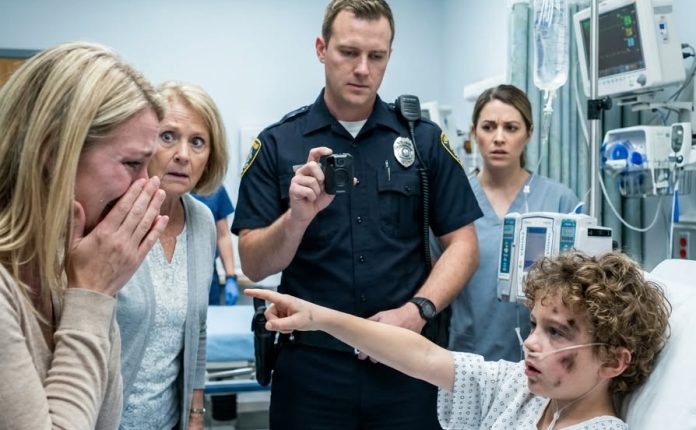
Then the front door opened.
I heard the click of heels against hardwood—quick, confident steps. The sound echoed down the hallway before the person attached to it appeared. “I’m so sorry I’m late!” she called out, her voice bright, slightly breathless. “The meeting ran over and—”
I knew that voice.
My body reacted before my brain did. My stomach dropped. My hands went cold. A memory I had sealed shut years ago kicked the door open without warning.
She stepped into the dining room carrying a stack of folders, mid-sentence, and our eyes met.
Time didn’t slow down like in the movies. It stopped.
My future mother-in-law was the woman I’d had a fling with seven years earlier.
Back then, I was twenty-three, drifting through a new city for a short-term work contract. She’d been there for a conference. We met at a bar after I’d gotten lost trying to find a late-night diner. She laughed at my terrible sense of direction, and I remember thinking she was the most self-assured woman I’d ever met. Older than me, confident, sharp. The kind of person who made decisions quickly and never apologized for them.
What started as a drink turned into several. Then into four nights that burned bright and fast—dinners, long conversations, a kind of chemistry that felt reckless and temporary all at once. We never talked about the future. We didn’t even share real last names. When her conference ended, she kissed me goodbye in a taxi and said, “Well, that was fun,” like we’d both agreed it belonged to another universe.
And now she stood in front of me, in my fiancée’s childhood home, wearing a wedding ring.
She recovered first. It was almost impressive. Her expression flickered—shock, recognition, calculation—all in a fraction of a second. Then she smiled warmly, like nothing in the world was out of place.
“You must be the fiancé,” she said, setting the folders down. “I’ve heard so much about you.”
I stood up too fast, nearly knocking my chair over. My fiancée beamed, oblivious. “This is my stepmom,” she said proudly. “She’s basically the family project manager.”
We shook hands.
Her grip was steady. Professional. But her eyes locked onto mine with a silent message so clear it didn’t need words:
We do not know each other.
“Nice to meet you,” I said, hearing how thin my voice sounded.
Dinner unfolded like a play where everyone but us had the script. Her dad told stories about my fiancée’s childhood. My fiancée talked excitedly about wedding ideas. I chewed and swallowed without tasting a thing. Every time her stepmom spoke, my nerves snapped tight like wires. I was hyper-aware of every glance, every shift in her posture.
She was good—too good. She asked me questions about my work, my family, my hobbies, all with polite interest. Anyone watching would have thought she was just trying to get to know the man marrying her stepdaughter. But beneath it, there was a carefulness, a precision to her tone. We were two people diffusing a bomb no one else knew existed.
At one point, my fiancée laughed and said, “He gets so quiet when he’s nervous.” She rubbed my arm affectionately. “Don’t worry, they don’t bite.”
If only that were the problem.
After dinner, while my fiancée helped her dad clear the table, her stepmom and I ended up alone in the kitchen for three long seconds. The hum of the dishwasher filled the silence.
She didn’t look at me when she spoke.
“That was a long time ago,” she said quietly.
“I know,” I replied. My throat felt dry.
“It stays there.”
“Yes.”
She finally met my eyes. Not warm, not hostile. Just firm. “We both have a lot to lose.”
Then she picked up a dish towel and walked back into the dining room, conversation already flowing from her like nothing had happened.
That was the beginning of the strangest balancing act of my life.
My wife—back then my fiancée—noticed I was stiff around her stepmom. “You two just don’t click,” she’d tease. “She intimidates a lot of people.” I laughed it off, grateful she had an explanation that didn’t involve the truth.
Over the years, birthdays, holidays, and random Sunday dinners stacked up. Each one was another performance. We mastered the art of neutral conversation—weather, work, travel plans. Never personal. Never nostalgic. Never alone for too long.
But the past has a way of whispering at the worst times.
Once, at a family barbecue, someone pulled out old photo albums. My heart nearly stopped as pictures from “before the marriage” were passed around. I watched her closely, terrified some forgotten trip might connect dots. But our week together had been in a different city, a different life. We were ghosts to each other’s families.
Still, the tension never fully faded. It wasn’t longing. Not even regret. It was the knowledge that a single sentence—careless, emotional, misinterpreted—could detonate a life I cherished. My marriage is built on honesty, partnership, trust. Yet this one truth sits buried beneath it, not out of shame for what happened, but fear of what the revelation would destroy.
Sometimes I wonder if she thinks about it too. If she ever looks at me across the table and remembers who we were in that other version of ourselves. Or if she’s simply better at compartmentalizing, locking doors in her mind and throwing away the keys.
I love my wife. That’s the only part of this that’s simple. What we have is real, steady, chosen every day. That week seven years ago was a spark in the dark—bright, brief, and gone.
But every time we sit at her parents’ dinner table, passing plates and talking about normal things, I feel the quiet weight of the past sitting between us like an uninvited guest.
And I remind myself, over and over:
Some truths don’t set you free.
Some just burn everything down.