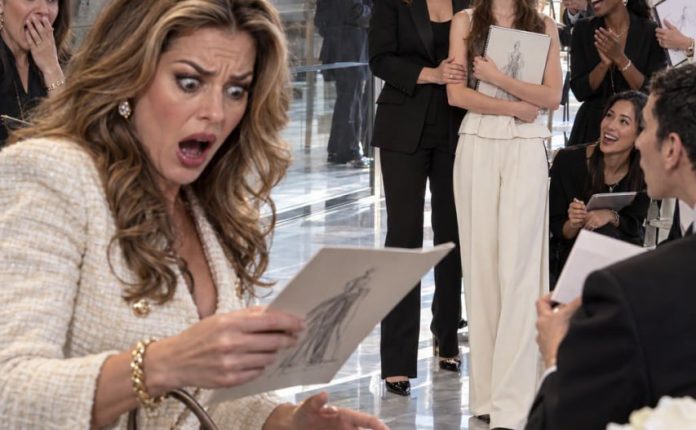
“Nobody’s Lived Here In Years. It’s Free Money,” My Sister Laughed With The Realtor While Trying to Sell My “Abandoned” $3 Million Beach House to Pay for Her Dream Wedding. The Entire Family Planned Their Wedding Venue Upgrades. I Stood In The Corner Silently. Then the Closing Agent Opened the Property Records
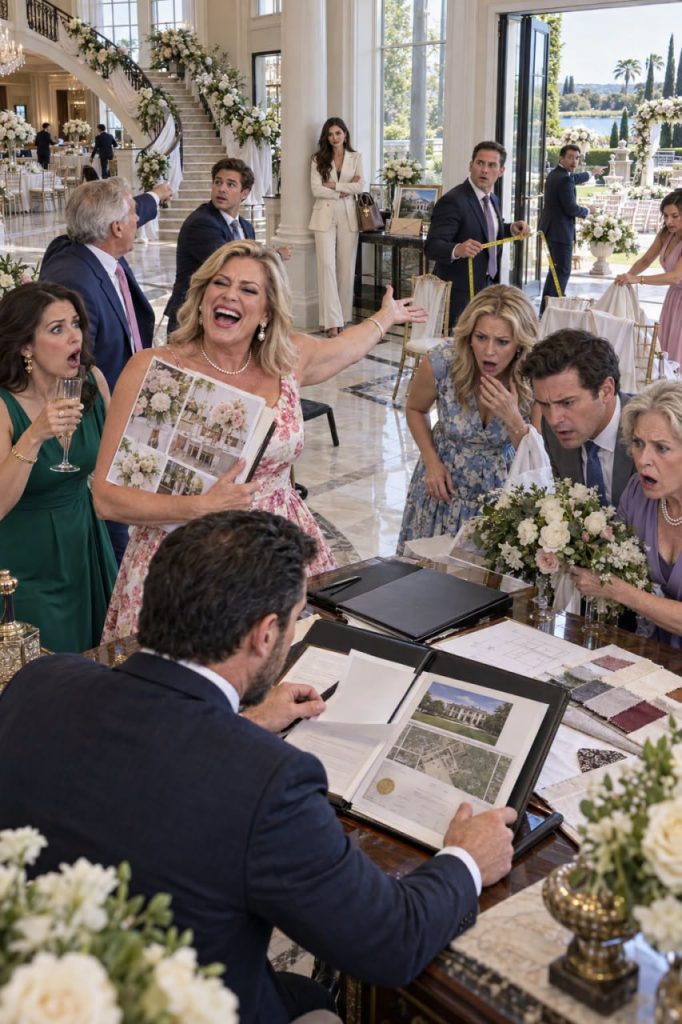
My Sister—I sat quietly while my sister called me a freeloader inside the beach house she was already planning to sell for millions. My mother discussed how much of “their” money would pay for the wedding, while my future brother-in-law photographed rooms they intended to empty of my belongings. I could have stopped them with one sentence, but I didn’t. I wanted to see how far they would go before somebody finally opened the one file they should have checked first.
“Nobody has really lived here in years,” my sister Marissa announced, sweeping one manicured hand across my living room as if she were presenting an abandoned warehouse instead of the place where I had slept the night before. “At this point, selling it is basically free money.” Even Claire’s professional caution could not slow the wedding budget already expanding inside Marissa’s imagination. The hardest part was hearing my mother join the fantasy as though my life inside the house were invisible. The coffee cooled in my hands while my family treated ownership like a story they could simply agree upon.
Salt air moved through the open windows behind her, carrying the clean smell of the Atlantic and making the thin linen curtains lift and settle against the white-painted frames. I sat in my father’s old armchair beside the bay window with a mug of coffee cooling between my hands while Claire Whitmore, the real estate agent Marissa had hired, tapped notes into a tablet. I knew the house needed no defense from me; the title records had been defending it for years. By then I understood that the coming embarrassment belonged to the people who had skipped the basic questions.
“The location is extraordinary,” Claire said, glancing toward the dunes and the blue water beyond them. “Oceanfront homes along this stretch have been listing above three million dollars, depending on condition and improvements.” My mother, Diane, appeared from the kitchen so quickly you would have thought someone had called her name over a loudspeaker. “Three million?” she repeated, pressing both hands to the front of her blouse. “Marissa, did you hear that?” The hardest part was hearing my mother join the fantasy as though my life inside the house were invisible. I knew the truth would survive whatever happened next.
Marissa’s face lit up, and the diamond on her engagement ring flashed in the afternoon sunlight as she grabbed the arm of her fiancé, Caleb Mercer. “I told you this was finally going to pay off,” she said. “After everything this family has carried, we deserve something good.” I thought about every storm, repair, invoice, and quiet weekend that had made this place truly mine. Sometimes being underestimated hurts, but sometimes it gives you the rare advantage of being left unexamined. The coffee cooled in my hands while my family treated ownership like a story they could simply agree upon.
Caleb had spent the previous ten minutes photographing my deck, my fireplace, and the view from my bedroom as though he were assembling a sales brochure. He lowered his phone and grinned. “Three million changes the wedding conversation completely.” “Absolutely,” Marissa said. “Forget the smaller venue. We can book Harbor Crest Resort, upgrade the reception terrace, add the full seafood dinner, and actually have the honeymoon we wanted.” I let them talk because every sentence was showing me more than any confrontation could have revealed. Even Claire’s professional caution could not slow the wedding budget already expanding inside Marissa’s imagination.
My mother laughed with her, already caught up in the fantasy. “Your father would have loved seeing you married somewhere beautiful.” I took a sip of coffee and tasted nothing but bitterness and cold cream. Claire’s smile remained professional. “Before anyone starts making commitments, I’ll need to verify ownership, confirm the title is clear, and make sure there are no estate or occupancy issues.” The coffee cooled in my hands while my family treated ownership like a story they could simply agree upon. I could have ended the conversation immediately, but I wanted the records to answer them without emotion.
Marissa seemed prepared for that question. She opened a cream-colored folder from her handbag and handed Claire several documents. “Our father, Thomas Hale, bought the house in 1998. He died a little over two years ago, and his estate went through probate.” Claire flipped through the pages. “And the beach property was distributed through the estate?” “That’s correct,” Marissa said without hesitation. I had learned that people reveal extraordinary things when they believe the quiet person in the room cannot matter. I noticed every casual insult because each one explained why nobody had thought to ask me a simple question.
I looked at her over the rim of my cup. The strange thing about a confident lie is that it rarely sounds like a lie. Marissa spoke with the absolute certainty of someone who had repeated a story so many times that she no longer considered checking whether it had ever been true. My mother stepped closer. “There is one minor complication.” Claire looked up. By then I understood that the coming embarrassment belonged to the people who had skipped the basic questions. I could have ended the conversation immediately, but I wanted the records to answer them without emotion.
“Our youngest son, Noah, stays here occasionally,” Mom said, nodding toward me without meeting my eyes. “He’s always been… unsettled.” That got my attention. Marissa gave a theatrical sigh. “He drifts in and out. We don’t even know where he lives half the time.” Caleb snorted. “He calls it working remotely. Looks more like permanent vacation to me.” “Minimalist lifestyle,” Mom added with a tight little smile. “No proper office, no real roots, no responsibilities.” Nothing in Marissa’s certainty changed the deed, the trust, or the years of responsibility behind them. I knew the truth would survive whatever happened next.
I slowly lowered my coffee onto the side table. The ceramic cup made a soft click against the wood, but in that room it sounded strangely sharp. Claire glanced at me for the first time with something more curious than polite. “Are you saying there’s a tenant?” she asked. “Not exactly,” Marissa replied. “More like a family squatter.” My jaw tightened, but I said nothing. I left the room knowing the next conversation would be very different once somebody finally checked the records. I could have ended the conversation immediately, but I wanted the records to answer them without emotion.
I had paid the electric bill for five straight years. The insurance premium came from my business account, the property taxes came from the same account, and the new roof above Marissa’s head had cost me more than her first two cars combined. Claire tapped something into her tablet. “Occupancy can complicate a sale if the occupant has tenancy rights.” I knew the truth would survive this. I kept my expression neutral because correcting them too early would only turn facts into another family argument. Even Claire’s professional caution could not slow the wedding budget already expanding inside Marissa’s imagination.
“Oh, Noah won’t be a problem,” Marissa said. “He barely owns enough to fill a car.” I almost laughed at that. My mother had no idea I owned the SUV parked behind the detached garage because I normally drove an older sedan around family. Marissa had no idea my consulting firm had eight full-time contractors, three corporate clients, and enough annual revenue that I hadn’t worried about rent in years. I kept reminding myself that ownership was not decided by volume. I had learned that people reveal extraordinary things when they believe the quiet person in the room cannot matter.
They had decided who I was long ago. Facts had become inconvenient. Claire walked toward the window. “Assuming the title is clean, I could probably prepare the listing by next week.” Marissa actually clapped. “Next week?” “Potentially.” Caleb put an arm around her waist. “Then we should visit Harbor Crest tomorrow before somebody grabs the June date.” “June is expensive,” Mom warned. Caleb laughed. “Not when you’re selling a three-million-dollar house.” I trusted the records because they had no reason to flatter anyone. I could have ended the conversation immediately, but I wanted the records to answer them without emotion.
I finally spoke. “This house isn’t abandoned.” Marissa’s expression changed immediately. “Here we go.” I nodded toward the ceiling. “The exposed beams are original cypress. The floors are heart pine, and the west wall was rebuilt after the storm using the original framing pattern. You’ll damage the value if you let a staging company start ripping things out because they look old.” Claire looked genuinely interested. “You know the property well.” I kept reminding myself that ownership was not decided by volume. I kept my expression neutral because correcting them too early would only turn facts into another family argument.
“Unfortunately, he thinks that makes him an expert,” Marissa said before I could answer. “Noah gets emotionally attached to things. Business decisions are difficult for him.” My mother crossed her arms. “This property needs to benefit the family, not become a private vacation cabin for someone who refuses to grow up.” “What does Noah even need a five-bedroom beach house for?” Marissa asked. “A few weekends a year?” The house around us held decades of evidence that my sister had never bothered to notice. Every confident assumption made me more certain that silence, for once, was giving me useful information.
I looked at her. “How often do you think I’m here?” She shrugged. “Who knows?” That answer told me everything. Claire’s phone rang before I could respond. She looked at the screen and excused herself, stepping through the sliding glass door onto the deck while Marissa immediately began discussing what furniture should be removed before photographs were taken. I knew the truth would survive whatever happened next. I kept my expression neutral because correcting them too early would only turn facts into another family argument. Even Claire’s professional caution could not slow the wedding budget already expanding inside Marissa’s imagination.
“The old armchair has to go,” she said. I rested my hand on the armrest. That chair had belonged to Dad. “The dining table too,” Caleb added. “Too heavy.” “My books are in the upstairs study,” I said. Marissa waved impatiently. “Then move them. We’re not operating free storage for you.” I kept reminding myself that ownership was not decided by volume. I had learned that people reveal extraordinary things when they believe the quiet person in the room cannot matter. I noticed every casual insult because each one explained why nobody had thought to ask me a simple question.
Mom gave me that familiar disappointed look. “You could make this easier for everyone, Noah.” “For everyone?” “For your sister,” she clarified. “She’s starting a new life.” I leaned back. “And what exactly is my portion of this imaginary sale?” Marissa narrowed her eyes. “Why are you calling it imaginary?” “I’m curious about the math.” Mom glanced at Marissa. I did not need another argument to know. I kept my expression neutral because correcting them too early would only turn facts into another family argument. Even Claire’s professional caution could not slow the wedding budget already expanding inside Marissa’s imagination.
Marissa recovered quickly. “Mom gets her share first. Caleb and I need enough to cover the wedding and down payment on a condo. Whatever remains, we can split fairly.” “With me?” “Yes.” “How generous.” “Don’t act offended,” she snapped. “Considering what you’ve contributed, you should be grateful you’d get anything.” I studied her face. “Name one major thing you’ve done for this family,” she challenged. “One.” The house around us held decades of evidence that my sister had never bothered to notice. Nothing about their excitement made the property less mine, no matter how loudly they spent its imagined value.
The roof replacement came to mind. Then the flood repairs. Then five years of insurance. Then county legal fees when a proposed zoning change threatened the shoreline lots. Then the months I spent coordinating contractors while Marissa posted vacation pictures from California and Mom told relatives she was “the responsible child.” I could have answered. Instead, I shrugged. I knew the truth would survive whatever happened next. I kept my expression neutral because correcting them too early would only turn facts into another family argument. Even Claire’s professional caution could not slow the wedding budget already expanding inside Marissa’s imagination.
Marissa smiled in triumph. “Exactly.” Claire returned from the deck, her expression carefully neutral. “The title company has started pulling the records. I should have preliminary results tomorrow.” “Perfect,” Marissa said. Claire looked from her to me. “Once ownership is verified, every legal owner will need to be involved in the listing agreement.” Mom frowned. “That’s only Marissa and me.” I had stopped volunteering to absorb their discomfort. The house around us held decades of evidence that my sister had never bothered to notice. Every confident assumption made me more certain that silence, for once, was giving me useful information.
“Probably,” Claire replied. “But title records occasionally contain transfers people have forgotten about, especially after probate.” For the first time, I saw uncertainty flicker across Marissa’s face. It vanished almost immediately. “Dad’s will was clear,” she said. “Everything was divided among his wife and responsible children.” I stood, picked up my jacket, and slipped my phone into my pocket. A message had arrived from my attorney while they were talking. I trusted the records because they had no reason to flatter anyone. I kept my expression neutral because correcting them too early would only turn facts into another family argument.
Naomi Park: I pulled the original recorded documents. Everything is exactly where it should be. See you at four. “Leaving already?” Mom asked. “I have a meeting.” Marissa laughed. “Of course you do.” I walked toward the door. Behind me, Caleb was already asking Claire how quickly a buyer could close on an all-cash offer. I paused beside her. “Nice meeting you, Claire.” Nothing about their excitement made the property less mine, no matter how loudly they spent its imagined value. I had learned that people reveal extraordinary things when they believe the quiet person in the room cannot matter.
She held my gaze for an extra second. “I suspect we’ll speak again soon.” I drove away while my sister stood in my living room spending money she had never owned. By the time I reached Naomi’s office, I was no longer wondering whether Marissa had misunderstood something—I was wondering how much farther she had gone before bringing a realtor through my front door. I could have ended the conversation immediately, but I wanted the records to answer them without emotion. I noticed every casual insult because each one explained why nobody had thought to ask me a simple question.
Naomi Park had represented me for seven years, and she had the unnerving habit of becoming calmer whenever everyone else had reasons to panic. Her office overlooked the harbor from the third floor of an old brick building, and when I walked in that afternoon, she already had a thick file open across her desk. “So,” she said, pushing her glasses higher. “Your sister is selling your house.” “Apparently.” Naomi’s mouth twitched. “Ambitious.” I refused to confuse silence with surrender again. I kept certified copies close because confidence was clearly going to be louder than memory in the coming days.
“She has already upgraded the wedding venue in her head.” “And the honeymoon?” “Luxury bungalow.” “Of course.” I dropped into the chair across from her desk and stared through the window at sailboats rocking in their slips. The harbor always reminded me of Dad because he used to bring me there as a kid, buy two lemon sodas from the marina store, and tell me that people made terrible decisions whenever they confused wanting something with being entitled to it. I was not setting a trap; I was refusing to rescue adults from assumptions they had chosen not to verify.
Naomi turned several documents toward me. “Let’s remove all possible doubt before tomorrow becomes noisy.” The first document was dated eight years earlier. Thomas Hale Irrevocable Property Trust. I ran my thumb over Dad’s signature. Three years before his death, my father had removed the beach house from his personal estate and transferred it into a trust established specifically for me. Naomi had prepared the later amendments, overseen the recording, and handled every annual filing since. I let the facts remain louder than me. Even my business had grown the same way as the house, quietly, steadily, without family applause.
“The property never entered probate,” she said. “Your father’s will divided his remaining estate among your mother, you, and Marissa, but this house was no longer his probate asset.” “I know.” “I know you know. I want you to hear me say it again because your family is about to behave as if confidence can rewrite county records.” That made me smile despite myself. Naomi’s calm voice reminded me why I trusted documents more than the loudest version of a family story. I had never hidden the house; my family had simply never been curious enough to understand my life.
Naomi continued. “The recorded transfer is clean, the trust is valid, and the chain of title is boringly straightforward. The documents Marissa showed the realtor may be authentic probate documents, but they don’t establish any ownership interest in this property.” “Dad expected trouble.” “He expected pressure.” There was a difference. When Dad first explained the trust to me, I’d been offended by his caution. I was twenty-eight and still believed grown adults eventually became reasonable if given enough facts. I knew the truth would survive whatever happened next. I trusted the records because they had no reason to flatter anyone.
He had smiled and said, “Property changes people, Noah. Sometimes it only reveals them.” I understood that sentence now. “Why me?” I asked, though I already knew much of the answer. Naomi leaned back. “You were the one maintaining the place even before the trust was created. You helped him after his surgery, managed the storm repairs, learned the maintenance schedule, and actually loved the house.” Naomi’s calm voice reminded me why I trusted documents more than the loudest version of a family story. Even my business had grown the same way as the house, quietly, steadily, without family applause.
“Marissa thinks he rewarded me for being his favorite.” “She can think anything she wants.” “She also thinks I don’t have a job.” Naomi stared at me. “You own a consulting company.” “They think I answer emails at coffee shops.” “You do answer emails at coffee shops.” “Fair.” She laughed, then turned serious again. “You don’t owe anyone a detailed financial résumé just because they decided to underestimate you.” I trusted the records because they had no reason to flatter anyone. I kept certified copies close because confidence was clearly going to be louder than memory in the coming days.
That had always been the problem. My work was remote, quiet, and invisible to people who measured success by suits, office towers, and job titles printed beneath company logos. I had built my firm slowly, reinvested nearly everything for several years, and learned that looking unimpressive was often more peaceful than explaining myself to relatives who treated every accomplishment like an invitation to compare. Naomi’s calm voice reminded me why I trusted documents more than the loudest version of a family story. I had never hidden the house; my family had simply never been curious enough to understand my life.
The beach house fit the same pattern. I didn’t post photographs from it. I didn’t call it “my oceanfront property.” I simply lived there when I wanted, worked from the upstairs office, repaired what broke, paid what was due, and watched storms roll in from the Atlantic. To Marissa, silence meant absence. To Mom, modesty meant failure. My phone buzzed. I understood exactly why boundaries now mattered here. I trusted the records because they had no reason to flatter anyone. I was not setting a trap; I was refusing to rescue adults from assumptions they had chosen not to verify.
Marissa: We’re having a junk removal crew come next week. Tell me which of your things you actually care about. I showed Naomi. She read it twice. “Reply in writing.” I typed: I care about everything in the house. Do not remove, discard, sell, or alter anything. The response arrived almost instantly. Marissa: Then move your stuff before staging. We are not delaying a multimillion-dollar sale because you’re sentimental about old furniture. I knew the truth would survive whatever happened next. I kept certified copies close because confidence was clearly going to be louder than memory in the coming days.
Naomi exhaled through her nose. “Keep that.” “I planned to.” “What exactly happened between you two after your father died?” “Nothing dramatic.” That was almost worse. Marissa took charge of family gatherings because Mom preferred her company. I stopped getting invited to smaller dinners, then started hearing about holidays after arrangements were already made, and every attempt I made to help was interpreted as either insufficient or suspicious. I trusted the records because they had no reason to flatter anyone. I was not setting a trap; I was refusing to rescue adults from assumptions they had chosen not to verify.
When Mom needed a new furnace, I quietly paid half through Dad’s old household account. Marissa later told relatives she had “handled everything.” I never corrected her. Naomi closed one folder and opened another. “Here are the property tax payments, insurance records, major repair invoices, and storm restoration receipts.” The total on the restoration work alone made me wince even though I had paid it years earlier. Naomi’s calm voice reminded me why I trusted documents more than the loudest version of a family story. Afterward the phone began vibrating, exactly as Naomi and I had both expected it would.
“What happens when the title company calls them?” I asked. “They stop the listing.” “And then?” “That depends on whether your family experiences embarrassment as a reason for reflection or as a reason to attack.” I laughed once. “Attack.” “My guess too.” She handed me certified copies of the trust and recorded deed. “Take these home.” “Should I tell Marissa before the title search does?” Dad had planned carefully because he understood that love did not eliminate the need for legal protection. I had never hidden the house; my family had simply never been curious enough to understand my life.
Naomi considered that. “Legally, you are under no obligation to rescue someone from the consequences of making false assumptions about an asset they attempted to sell without confirming ownership. Morally, that is your decision.” I looked down at Marissa’s message again. We are not delaying a multimillion-dollar sale because you’re sentimental. “I think I’ll wait.” Naomi nodded. “Then make coffee tomorrow.” I was not setting a trap; I was refusing to rescue adults from assumptions they had chosen not to verify. I kept certified copies close because confidence was clearly going to be louder than memory in the coming days.
That evening I drove back along the coast with the windows cracked, listening to the tires hum over the causeway. The sun was dropping behind the marshes, turning the water silver, and for a few minutes I remembered being twelve years old beside Dad in his old truck. He had bought the beach house when Marissa and I were kids. It had never been glamorous. Naomi’s calm voice reminded me why I trusted documents more than the loudest version of a family story. Dad had planned carefully because he understood that love did not eliminate the need for legal protection.
Seeing the recorded transfer again made the entire argument feel smaller than Marissa wanted it to be. I had never hidden the house; my family had simply never been curious enough to understand my life. There were years when the roof leaked, summers when the air conditioner failed, winters when sand blew under the doors, and weekends when Dad made me hold a flashlight while he cursed rusty plumbing. Marissa remembered photographs on the deck. I remembered work. When I arrived home, I found a bright orange contractor sticker attached to the front door. SITE MEASUREMENT — TUESDAY, 9 A.M.