The article never ran. Not because I threatened anyone. Because I gave the reporter records. Every dollar. Every early investor. Every loan. Every capital contribution. Every ugly first-year expense. Meridian’s origin story was not glamorous enough for my father’s version. I had not been handed millions.
I had been handed doubt. The money came later. The reporter called me after reviewing the documents. “Your father’s version doesn’t hold up.” “I know.” “Do you want to comment on why he would say it?” “No.” “You don’t want to defend yourself publicly?”
“I just did.” “With bank records.” “Exactly.” She laughed. “I like that.” So did I. When the story eventually appeared, it focused on Meridian’s growth and the strange way I had built it from the back office of a vintage shop.
My father’s claims weren’t included. They didn’t deserve oxygen. But I sent him one message. Do not represent Meridian, my finances, or my professional history to anyone again. If you do, our attorneys will handle it. He replied within five minutes.
Is that how you speak to your father now? I read it. Then deleted it. That spring, I spent more time at Second Story. Not because Meridian needed less of me. Because I needed more of myself.
On Saturdays, I worked behind the counter. Customers rarely recognized me. Occasionally someone would stare at me, then at an article on their phone, then ask, “Are you that finance woman?” I usually said, “Unfortunately.” They laughed.
The bell still rang above the door. The radiator still hissed. The same scar remained on the oak counter where I had dropped a metal display stand twelve years earlier. I could have closed the place a hundred times.
I never did. Second Story reminded me that value and appearance were almost never the same thing. A faded leather jacket could be worth more than a new designer coat. A tiny storefront could contain the beginning of an investment firm.
A successful family could be emotionally bankrupt. And an apology could be sincere without earning forgiveness. Vanessa and I spoke only at work for the next six months. She did her job. Well. That mattered professionally.
She stopped using my first name in meetings and never asked me for favors. One afternoon, after a quarterly review, she stayed behind. “You were right about something.” I closed my laptop. “What?” “I thought working for you would be humiliating.”
“And?” “It isn’t.” I waited. “What’s humiliating is realizing how much time I spent needing everyone else to think I was important.” That sounded like growth. I nodded. “I’m glad you figured that out.” She studied me.
“Do you think we’ll ever be close again?” There it was. The question she had been waiting months to ask. I could have softened the truth. I didn’t. “No.” Her eyes dropped. “I figured.” “I don’t say that to punish you.” “I know.”
“You’re rebuilding your career. You’re becoming a better manager. I respect that.” She looked up hopefully. “But respect isn’t trust,” I said. Hope faded. “And trust isn’t something I owe because we share DNA.” She swallowed. “Fair.” She walked toward the door.
Then stopped. “For what it’s worth, I am proud of you.” I felt almost nothing. That surprised me. There had been a time when those words from Vanessa would have meant everything. Now they were pleasant. Nothing more. “Thank you.”
She left. And that was enough. My parents took longer. Mom sent invitations. Birthdays. Easter. A summer dinner in the Hamptons. I declined all of them. Dad stopped contacting me after our attorneys sent him a formal notice regarding Meridian.
For almost a year, we had no meaningful relationship. People assumed I must be devastated. I wasn’t. There was grief. Of course there was. But grief and regret aren’t the same thing. I mourned the family I wished I’d had.
I didn’t regret walking away from the one I actually had. The following December, I didn’t go to my parents’ townhouse for Christmas. I hosted dinner at Second Story. We closed early. Harper came. Maya came with her wife.
Two of my original investors flew in from Chicago. Daniel stopped by after visiting his grandchildren. My store manager, Rosa, brought tamales because she insisted my catered dinner was “too fancy to qualify as Christmas food.”
There were folding chairs. Mismatched plates. Cheap string lights around the front window. Someone spilled wine and nobody cared. At nine, snow began falling. I stood behind the counter watching people laugh. My phone vibrated. A message from Mom.
We miss you. There will always be a place for you here. I read it once. Then locked the screen. Maya noticed. “You okay?” “Yeah.” “Family?” I nodded. “You going to answer?” “No.” And I didn’t.
Not because I wanted revenge. Because I had finally understood that forgiveness was not an entrance ticket back into my life. People could regret hurting me. They could change. They could become better. And I could still choose distance.
At ten-thirty, after everyone left, I stepped outside to lock the gate. A man was standing beneath the awning next door, trying unsuccessfully to open an umbrella that had turned inside out in the wind.
I laughed before I could stop myself. He looked over. “Glad somebody’s enjoying this.” “Sorry.” “No, you’re not.” “Not really.” He wrestled the umbrella closed. His name was Ethan Cole. He owned the architecture studio three doors down.
I had seen him around for years but never spoken to him beyond hello. “You’re Claire, right?” “That depends.” He smiled. “Owner of the vintage store.” I smiled back. “That one I’ll admit to.” We walked two blocks for coffee.
He didn’t know about Meridian. Or if he did, he didn’t mention it. For forty minutes, we talked about old Brooklyn buildings, terrible landlords, why diner coffee tastes better after midnight, and whether anyone actually likes minimalist furniture.
It was the most ordinary conversation I had enjoyed in months. There was no dramatic romance. No instant destiny. Just coffee. Then another coffee the following week. Then dinner. Then, slowly, something real. I never needed him to rescue me.
That was probably why I liked him. A year later, Sterling Whitmore posted the best operating results in its history. Vanessa earned a promotion. Not from me. A committee recommended her. I approved it because she deserved it.
When she received the news, she came to my office. “Thank you.” “Don’t thank me. You earned it.” She smiled. This time, I didn’t hear competition in it. I heard peace. We were not friends. We were not close sisters.
We did not suddenly begin spending holidays together. But we had reached something I could live with. Professional respect. Clear boundaries. No pretending. My mother eventually stopped sending invitations. My father never apologized in a way that mattered.
Years earlier, that would have broken my heart. Now I understood something simpler. Some people love you as long as you stay inside the role they created for you. The moment you become inconvenient, independent, or impossible to control, they call your freedom betrayal.
That isn’t love I’m willing to chase. Second Story is still open. The brass bell still rings. The floors still creak. And above Manhattan, Meridian Capital keeps growing. Sometimes new employees are shocked when they learn I still spend Saturdays selling vintage coats.
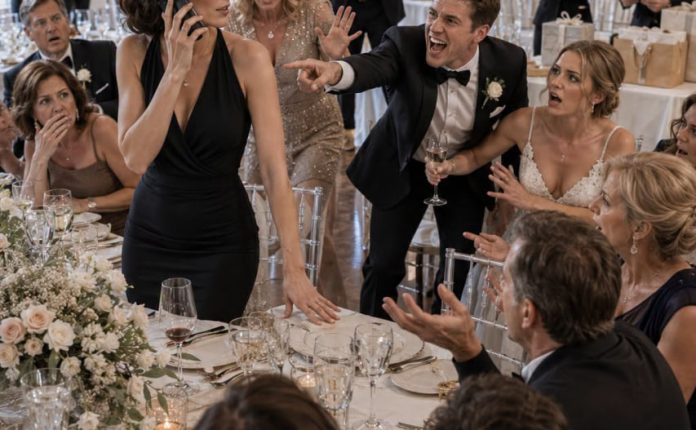
I tell them the same thing every time. “This place taught me how to see value before anyone else does.” They usually think I’m talking about clothing. I’m not. That Christmas, my sister tried to expose my failure in front of everyone.
Instead, she exposed something much more important. She showed me exactly who my family believed I was when they thought I had nothing to offer them. Daniel calling me CEO changed how they saw me.
But their reaction changed how I saw them. And that difference mattered far more. I spent years thinking the greatest satisfaction would come from finally proving them wrong. It didn’t. The greatest satisfaction came when their opinion stopped mattering at all.
THE END!
Disclaimer: Our stories are inspired by real-life events but are carefully rewritten for entertainment. Any resemblance to actual people or situations is purely coincidental.