The next morning, my phone rang while I was brushing my teeth. A woman from my bank’s fraud department asked whether I had recently applied for a personal credit line. I sat on the bed. “No.” She thanked me, then explained that the application had triggered inconsistencies during verification. My stomach tightened before she even mentioned Brooke’s name. I asked her to repeat the question slowly.
The specialist asked whether anyone else had permission to submit financial applications using my information. I said no. Then she asked whether I knew Brooke Caldwell. “She’s my sister.” The woman explained that Brooke’s contact information appeared on the application. She could not identify who physically submitted it, but my personal information had been used. The attempt had not been approved. Hearing Brooke’s name made the warning feel personal.
Relief never arrived. The intention mattered more than the result. The fraud specialist walked me through securing my accounts, strengthening verification, documenting the incident, and contacting credit bureaus. I wrote down every step, requested the case number, and checked my monitoring service. A recent inquiry I did not recognize was sitting there. Real. Recent. I wanted to storm downstairs, but then I remembered Brooke’s words about “the other account.”
At breakfast, Brooke was telling Mom about a spa appointment. She asked why I looked pale. I said I had slept badly. Then her phone lit beside her plate. For one second, I saw a banking app showing a balance far below zero and a notification marked PAYMENT OVERDUE. Brooke snatched up the phone. “Ready for the boat tour?” I took a slow sip of coffee and said yes.
By the third day, I stopped seeing the resort as a vacation. I saw numbers everywhere: room rates, excursions, restaurant bills, the emergency card, the rejected credit application, and Brooke’s negative balance. One question followed me through every meal. How much trouble was she actually in? That afternoon Dad finally checked the emergency card and found me near the pool with his phone. Dad stared at the screen longer than usual.
The account was almost at its limit. Some charges belonged to the trip, but others did not: clothing stores, furniture, online purchases, restaurants back home, and a large cash-like transaction. Dad denied making them. So did Mom. When I asked about statements, Dad checked the settings. Automatic alerts had been disabled months earlier. “I didn’t do that,” he said quietly. The change had been made without his knowledge.
Dad stood to call Brooke, but I caught his wrist. “Wait. There’s more.” I told him about the bank call and attempted credit application. His face moved from confusion to anger. When he demanded an immediate confrontation, I repeated what I had overheard outside Brooke’s room: “the other account.” Dad sat down again. For once, he looked genuinely afraid. That fear finally matched what I was feeling.
We called the emergency card issuer together. Because Dad was the primary holder, the representative discussed disputed charges and confirmed heavy use over several months. Then she mentioned a large payment scheduled from a linked checking account. She read the last four digits. Dad’s expression went blank. “That isn’t mine.” It was not Mom’s either. I immediately thought of Brooke. Neither of us needed to say her name.
The payment was still pending. If the linked account lacked funds, it would be returned, wiping out whatever temporary credit Brooke thought she had created. That explained the hotel problem and her panic. She had been juggling accounts and due dates to manufacture breathing room. Dad looked suddenly older. “Your mother is going to be devastated.” I reminded him that Mom had protected Brooke for years.
We agreed not to confront Brooke until dinner, but she appeared beside the pool carrying two cocktails and called one a peace offering. She apologized for being pushy, then privately asked me to cover the resort balance. I said no before she finished. “You don’t know how much it is,” she protested. “It doesn’t matter,” I answered. “I never agreed to pay it.” Brooke kept smiling as though charm might help.
Brooke promised she could repay me when a bonus arrived. I asked how much the bonus was. She said that was personal. “So is my bank account.” She accused me of enjoying her struggle. I reminded her I had not known about it until this trip. Brooke said I always had money available. I answered that I saved because I did not spend money I lacked.
Because she was my sister, some automatic part of me still wanted to rescue her. Then Brooke whispered, “If you covered the five thousand now, I could fix everything when we get home.” Everything. Not the vacation. I asked what she meant. She retreated, so I asked directly whether she had applied for credit using my information. Brooke froze. Fear appeared before denial. She had already revealed more than she intended.
She claimed she knew nothing until I said my bank had called. Her eyes moved toward Dad, then she suggested Ryan might have done something. I asked whether Ryan had my Social Security number. Silence. Brooke’s face reddened. Finally she whispered, “I was just trying to see if you qualified.” I stared at her. “You used my information.” She answered, “It didn’t even go through.”
I demanded to know where she found my Social Security number. Brooke looked down. “Mom had copies of old tax documents.” She had gone through our parents’ paperwork, copied my information, and submitted an application. I asked how much debt she carried. She refused to answer. I told her that ended any conversation about helping her. Then I turned away. I no longer trusted any convenient explanation.
Brooke called after me until I stopped. Her next words were low and desperate. “If Dad finds out about the other account, he’ll never forgive me.” I slowly turned back. “What other account?” She said nothing. Her face had gone pale. That silence frightened me more than a confession. It meant using my identity was not the first line she had crossed. The implication settled heavily between both of us.
Ryan came to my room that evening because he feared Brooke would blame him. He asked whether I could promise not to tell her he had spoken. “No,” I said. “I’m not protecting anyone’s secrets anymore.” He accepted that and admitted Brooke had been in financial trouble for almost a year. When I asked how much, he estimated twenty thousand dollars, maybe more. Ryan looked ashamed when he said it aloud.
He listed credit cards, shopping, trips, furniture, an expensive lease, failed online reselling, late fees, and new borrowing used to cover old bills. It was not a glamorous criminal scheme, just bad decisions stacked until they became impossible to hide. Then I asked about the other account. Ryan rubbed his neck. “She opened a line of credit under your dad’s information.” I felt sick hearing it said so plainly.
Ryan said Brooke claimed Dad knew. At first he believed her. Then he saw a statement carrying Dad’s name but Brooke’s email and phone number. She told Ryan nobody would ever know. I walked onto the balcony because the room felt too small. The emergency card had not been enough. Her own credit had not been enough. Then she used Dad’s identity. Then mine. The pattern looked obvious once I stopped excusing it.
Warm wind hit my face while music drifted across the bay. Recent memories rearranged themselves: Brooke asking Mom for old family documents “for insurance,” offering to help Dad with online banking, insisting we take this vacation before everyone became busy. She had not planned a celebration. She had planned a rescue operation using everyone else as unwilling support. Ryan admitted he knew things were worsening but came anyway.
I called Dad. Ten minutes later Ryan repeated everything. Dad did not yell. He asked for the lender’s name, called immediately, and spent nearly half an hour confirming an account existed in his name that he had never opened. By the time the call ended, he looked twenty years older. He began the dispute process, then asked Mom to come to my room. Mom’s hands began trembling before Dad finished speaking.
Dad turned his phone toward Mom. “This is a credit account in my name. I didn’t open it.” Her face changed when he said Brooke had. She resisted until I explained the attempted account involving my information. For once, Mom did not tell me to stop making things difficult. She sank onto the bed, looked toward Ryan, and asked, “You knew?” He admitted knowing some of it.
Part of me felt sorry for Mom, but another part remembered every time she had translated Brooke’s irresponsibility into family obligation. Dad stood and said, “We’re dealing with this tonight.” Nobody argued. Dinner was already booked at the resort’s nicest restaurant. White tablecloths, candles, and the ocean made the setting absurdly elegant for what was about to happen. Brooke arrived smiling. Nearby diners had started noticing our table.
Before Dad could speak, a resort manager approached. He told Brooke the updated authorization on the reservation card had been declined. Another payment method was required that evening. Brooke laughed nervously and said there had to be a mistake. “No mistake,” I said. Her head snapped toward me. “What did you do?” I answered truthfully. “Nothing.” Dad quietly added, “I checked the account.” Brooke’s smile disappeared before Dad finished the sentence.
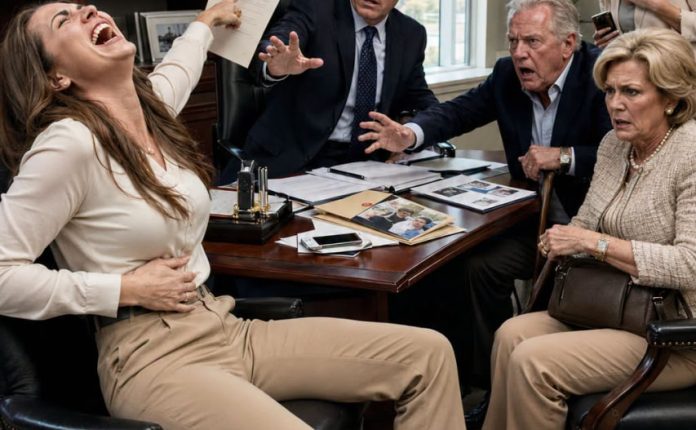
Brooke went still. Mom asked her to tell the truth. Dad named the emergency card, the credit account opened in his name, and the application using my information. Brooke looked from face to face, then gave a thin laugh. “You’re acting like I robbed a bank.” I stared at her. “You stole our identities.” She insisted she planned to repay everything. Dad asked, “With what money?”