I’m 65 years old. Five years ago, my husband divorced me after 37 years—no tears, no fight, just papers and a cold goodbye. Before leaving, he handed me a bank card. “There’s about $300 on it,” he said. That was what our marriage was worth to him. I never used it. I kept it hidden, a reminder of how easily I’d been erased. I struggled for years—cleaning offices, skipping meals, living in constant pain—until one day, I collapsed. When I woke, they said I was malnourished. The next morning, I went to the bank, slid the card forward, and whispered, “I’d like to withdraw the full balance.”
The young teller behind the thick pane of security glass looked at me with a polite but entirely detached smile. She took the worn, slightly faded plastic card from my trembling fingers, her perfectly manicured nails clicking rhythmically against her keyboard. I stood there feeling incredibly small, my threadbare winter coat hanging loosely over my dangerously thin frame. I had spent half a decade strictly refusing to touch Arthur’s pathetic severance package, driven by a stubborn, burning pride that had ultimately starved me. Now, completely broken by my terrifying hospital visit, I was finally surrendering to the harsh reality of my desperate poverty.
Arthur and I had built what I foolishly believed was a beautiful, impenetrable life together over nearly four decades of marriage. I had abandoned my own promising career in my early twenties to support his ambitious corporate dreams, managing our home, raising our children, and playing the perfect wife. We had weathered financial storms, celebrated massive promotions, and promised to grow old together on a porch overlooking the ocean. But the absolute moment his technology firm went public, he traded our shared history for a younger, vibrant colleague, completely erasing my existence with a few strokes of a divorce attorney’s expensive pen.
The divorce settlement had been brutally swift and horrifyingly unfair, orchestrated by his ruthless legal team while I was still paralyzed by shock. He claimed the company was severely in debt, hiding assets in complex trusts and offshore accounts that my modest lawyer simply couldn’t untangle. I was left with a meager lump sum that was instantly devoured by taxes, legal fees, and the sudden, overwhelming reality of trying to survive alone. When he finally walked out the front door for the last time, tossing that basic debit card onto the entryway table, it felt like a final, physical slap to the face.
For five long, agonizing years, that little piece of blue plastic sat completely untouched in the back of my bedside drawer. It represented the ultimate devaluation of my life’s work; thirty-seven years of unwavering loyalty reduced to a pathetic three hundred dollars of pity money. Every time I struggled to pay the heating bill or stared at an empty refrigerator, I thought about breaking down and using it. But my sheer, undeniable anger always stopped me. I absolutely refused to let Arthur’s condescending scraps be the thing that kept me alive, choosing instead to find grueling, minimum-wage work.
I took a job cleaning corporate offices on the night shift, a physically demanding role that completely ravaged my aging, fragile body. I would spend eight hours a night scrubbing heavy glass doors, emptying hundreds of trash cans, and vacuuming endless miles of commercial carpeting. The severe arthritis in my hands and knees flared up constantly, turning every single shift into an agonizing test of my physical endurance. Because the pay was so incredibly low, I routinely skipped meals, surviving on cheap oatmeal, plain rice, and tap water just to ensure I could afford my modest apartment’s monthly rent.
I isolated myself entirely, too deeply ashamed of my rapid, horrifying descent into poverty to reach out to my old friends or even my adult children. My children were busy navigating their own chaotic lives across the country, and Arthur had successfully manipulated the narrative, painting me as a bitter woman who had refused to compromise. I didn’t want their pity, and I certainly didn’t want them to see the vibrant, capable mother they once knew reduced to a starving, exhausted ghost. I suffered in absolute, suffocating silence, convinced that this agonizing struggle was simply my new, permanent reality.
The breaking point finally arrived on a freezing Tuesday evening during my shift at a towering downtown financial firm. I was pushing a heavy industrial mop bucket across the marble lobby when my vision suddenly blurred, my heart hammering a frantic, terrifying rhythm against my ribs. A cold sweat broke out across my forehead, the opulent walls of the lobby spinning violently around me before everything faded into a suffocating, heavy blackness. I woke up hours later in a bright, sterile emergency room, surrounded by the rhythmic beeping of clinical medical monitors and the concerned faces of exhausted nurses.
The emergency room doctor, a kind man with tired eyes, delivered the devastating news with a gentle, incredibly sympathetic tone. He explained that I had collapsed from severe, chronic malnourishment and profound physical exhaustion, my body literally consuming its own muscles simply to keep my vital organs functioning. He strictly warned me that if I did not drastically change my lifestyle, rest, and begin consuming proper nutrients immediately, my next collapse would likely be entirely fatal. Lying in that hospital bed, the stubborn, foolish pride that had driven me for five years completely evaporated, replaced by a desperate, primal urge to survive.
They discharged me the following morning with strict dietary instructions and a heavy, terrifying stack of new medical bills I could not possibly afford. Walking back to my cold, empty apartment, I opened my bedside drawer and stared at the dusty, forgotten blue debit card resting in the shadows. It felt like a physical defeat, a bitter surrender to the man who had effortlessly ruined my life, but I no longer had the luxury of maintaining my righteous anger. I needed warm food, I needed pain medication, and I desperately needed that pathetic three hundred dollars just to survive the harsh winter week.
Standing at the bank teller’s window, the seconds felt like hours as I waited for her to process my humiliating, desperate request. I watched her perfectly manicured fingers pause over the keyboard, her previously detached, polite smile faltering as she stared intently at her glowing computer screen. She typed a few more rapid keystrokes, her brow furrowing in deep, undeniable confusion as she leaned closer to the monitor to verify whatever she was seeing. A sudden wave of intense panic washed over me; what if Arthur had canceled the card? What if the pathetic three hundred dollars was entirely gone?
“Ma’am, I just need a moment,” the young teller stammered, her voice trembling slightly as she picked up her desk phone and dialed a short extension. “I need to call the branch manager over to authorize this specific transaction; it’s outside of my standard clearance level.” My heart dropped heavily into my stomach, tears of sheer humiliation threatening to spill over my pale, sunken cheeks. I was a starving, sixty-five-year-old woman standing in a threadbare coat, and now I was causing a massive, embarrassing scene over a completely empty, useless bank card.
A tall, impeccably dressed man emerged from a private glass office, his sharp eyes scanning the lobby before locking onto my fragile, trembling frame. He walked behind the teller’s station, adjusting his expensive glasses as he peered intently at the information displayed on the glowing computer screen. I watched in absolute shock as the color completely drained from his professional face, his jaw dropping slightly in profound, unadulterated disbelief. He looked up at me, his expression rapidly shifting from professional curiosity to a look of immense, almost terrifying respect.
“Mrs. Vance,” the branch manager said, his voice dropping to a hushed, incredibly respectful whisper. “Would you please be so kind as to join me in my private office? We have some very significant, highly confidential matters regarding this specific account that we need to discuss immediately.” I was completely paralyzed by fear, entirely convinced that Arthur had somehow linked me to a massive debt or a fraudulent overdraft that would result in my immediate arrest. I slowly followed the manager into his plush, quiet office, clutching my worn handbag tightly against my chest like a fragile shield.
He closed the heavy glass door, pulled out a comfortable leather chair for me, and took a seat behind his massive, polished mahogany desk. He gently placed the blue debit card on the desk between us, folding his hands together and looking at me with an expression of profound, sympathetic bewilderment. “Mrs. Vance, when you requested to withdraw the full balance of this account, I assume you were unaware of the actual, current financial standing of this specific portfolio?” I nodded nervously, my voice cracking as I whispered what my ex-husband had told me.
The manager let out a heavy, incredibly sad sigh, shaking his head in disbelief at the cruel, undeniable magnitude of my ex-husband’s deception. “Mrs. Vance, there is absolutely not three hundred dollars on this card. This debit card is actually the primary access key to a highly secure, private wealth management trust established entirely in your legal name.” He turned his computer monitor around so I could clearly see the screen, pointing to a massive, bold number located at the very bottom of the official banking ledger. The room began to spin violently as I tried to comprehend the impossible zeros.
“The current, cleared balance of this specific account,” the manager stated clearly, his voice echoing loudly in the quiet room, “is exactly three million, four hundred and fifty thousand dollars. And because the trust was established five years ago exclusively in your name as the sole beneficiary, every single penny belongs entirely, legally to you.” I gasped loudly, covering my mouth with my trembling hands as tears of pure, unadulterated shock spilled rapidly down my cheeks. Three and a half million dollars. It wasn’t a pathetic severance package; it was a massive, hidden fortune.
The manager patiently explained the complex, highly illegal financial maneuvering Arthur had executed during our incredibly contentious divorce proceedings. Anticipating a massive payout from the sale of his technology firm, Arthur had systematically funneled millions of dollars into this hidden, offshore-linked trust. To completely avoid the scrutiny of my divorce attorneys and the aggressive family court judges, he had boldly established the secret account entirely under my legal identity. He handed me the debit card, assuming I would simply throw the “pity money” away and allow him to discreetly reclaim the fortune later.
His brilliant, malicious plan had one fatal, catastrophic flaw: he had vastly underestimated the enduring, stubborn strength of my quiet resentment. By keeping the physical card safely hidden in my drawer instead of destroying it, I had completely locked him out of his own stolen wealth for half a decade. He couldn’t legally access the funds without triggering massive fraud alerts or exposing his perjury to the divorce courts, so he was forced to wait, desperately hoping I would never check the balance. He had essentially trapped himself in a brilliant, devastating financial prison of his own making.
A sudden, blinding wave of absolute, righteous fury washed over me, completely burning away the heavy, suffocating fog of my physical exhaustion and lingering despair. I had spent five years scrubbing filthy toilets on my damaged knees, starving myself into the hospital, and believing I was completely worthless. All the while, I was entirely, legally a multi-millionaire, secretly funded by the very man who had so callously thrown me away like unwanted garbage. I sat up straighter in the plush leather chair, my tears instantly drying, replaced by a fierce, uncompromising determination to reclaim my life.
“I want to freeze this entire account immediately,” I commanded, my voice completely devoid of the fragile, trembling fear that had consumed me just twenty minutes prior. “I want every single penny transferred into a new, heavily encrypted account that only I can access, and I want a top-tier financial attorney recommended to me by the end of the hour.” The branch manager smiled warmly, clearly delighted to witness my sudden, powerful transformation from a broken victim into a formidable, wealthy client. He immediately began making the necessary phone calls, actively securing my newly discovered empire.
Walking out of that bank an hour later, I felt like a completely entirely different woman. I didn’t return to my cold, dreary apartment or my grueling, soul-crushing cleaning job. I walked directly into a high-end medical clinic, paying in cash for comprehensive nutritional therapy, physical rehabilitation, and premium medical care. Over the next six months, I dedicated myself entirely to rebuilding my shattered physical and emotional health, eating nourishing food, working with personal trainers, and slowly reclaiming the vibrant, beautiful woman Arthur had tried to permanently destroy.
I purchased a stunning, light-filled condominium overlooking the ocean—the exact dream Arthur and I had shared before his devastating betrayal. I filled the beautiful rooms with expensive art, lush plants, and comfortable, elegant furniture, creating an impenetrable sanctuary of absolute peace. I quietly reached out to my children, explaining the horrific depths of Arthur’s manipulations and slowly repairing our fractured relationships with honesty and unconditional love. I was finally living the incredible, secure life I had rightfully earned through thirty-seven years of unwavering, dedicated partnership.
The inevitable, spectacular climax of Arthur’s massive deception finally arrived nearly a year after my shocking discovery at the bank. Through mutual acquaintances, I learned that Arthur’s new, glamorous life had rapidly collapsed into absolute financial ruin. His young, expensive wife had completely drained his legitimate accounts, and his technology firm had suffered a massive, highly publicized bankruptcy. Desperate, broke, and facing potential criminal charges from his angry investors, he finally made the incredibly foolish decision to try and illegally access the hidden trust fund he thought was still safely waiting for him.
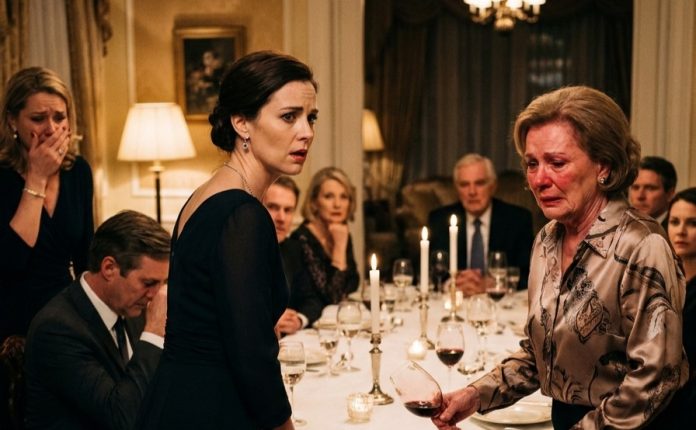
He tracked me down to an upscale, exclusive restaurant where I was enjoying a lavish, beautiful lunch with my two supportive children. He stormed into the elegant dining room looking incredibly haggard, his expensive suits replaced by wrinkled, cheap clothing, his face pale and deeply lined with immense stress. He marched aggressively toward our table, completely ignoring the shocked stares of the other wealthy patrons, his eyes wide with desperate, frantic panic. He expected to find the broken, starving, easily manipulated woman he had discarded; instead, he found a glowing, wealthy, and remarkably powerful matriarch.
“Where is it?” he hissed venomously, leaning heavily over the white linen tablecloth, his hands shaking with uncontrolled rage. “Where is the money from the account, you miserable thief? You had absolutely no right to touch those funds!” My children immediately stood up to fiercely defend me, but I gently raised my hand, silencing them with a calm, completely unbothered smile. I slowly took a sip of my expensive, sparkling water, looking directly into the terrified eyes of the man who had caused me so much unnecessary, agonizing pain.
“I merely followed your specific instructions, Arthur,” I replied smoothly, my voice echoing with absolute, terrifying authority. “You handed me the card and explicitly gave it to me as my final divorce settlement. I simply withdrew the full balance of an account legally established entirely in my own name.” He gasped loudly, his face turning a sickening shade of purple as the devastating reality of his own catastrophic arrogance finally crushed him. He had legally gifted me his entire hidden fortune, and any attempt to reclaim it would require him confessing to massive perjury in open court.
The restaurant manager, flanked by two burly security guards, approached the table and firmly escorted a screaming, completely unhinged Arthur out into the busy street. I watched him through the massive glass window, a pathetic, entirely broken man who had lost absolutely everything due to his own insatiable greed and toxic malice. I turned back to my beautiful children, offering them a warm, genuine smile, and picked up the expensive restaurant bill. I paid with a sleek, heavy black metal card, deeply and profoundly grateful for the pathetic three hundred dollars that had completely, beautifully changed my entire life.