My father was the kind of man who rarely raised his voice, which meant everyone listened when he did. He believed in hard work, clear promises, and keeping your word even when it cost you. My brothers liked to say he was old-fashioned. I used to say he was dependable. After he died, I learned those are not always the same thing.
We were three children in one family, but not three equals. My older brother Ryan had always been treated like the future. My younger brother Caleb had been treated like the fragile one. I was the daughter in the middle, useful when needed, forgettable when not. No one said it out loud, but some truths never need words.
When our mother died years earlier, I became the one who stayed close to Dad. I took him to appointments, handled his medications, and drove across town whenever the sink leaked or the television remote stopped working. Ryan sent expensive gift baskets on holidays. Caleb called when he needed cash. I showed up.
Dad never made a performance out of gratitude. He’d hand me a grocery list, ask me to tighten a cabinet hinge, and mutter something that sounded suspiciously like affection. That was enough for me. I wasn’t taking care of him to earn anything. He was my father. Love, to me, had always looked like errands.
Still, after his health declined, money entered every conversation like a bad smell. Ryan started asking whether Dad had “gotten around” to estate planning. Caleb wanted to know if the house would be sold immediately or kept in the family. Even my aunt Denise began dropping hints about “fairness” and “avoiding misunderstandings later.”
Dad heard more than they realized. The day Caleb asked whether he had a safe deposit box, Dad stared at him for a long time and said, “Funny how grief hasn’t happened yet, but greed already has.” Caleb laughed awkwardly, but I saw the hurt in Dad’s face. He knew what they were becoming before I did.
In the last year of his life, Ryan visited more often, though usually when other people could see him. He brought pastries, snapped photos, and posted sentimental messages online about “cherishing family.” Meanwhile, I was the one changing sheets after bad nights and sitting in urgent care at 2 a.m. when Dad couldn’t breathe.
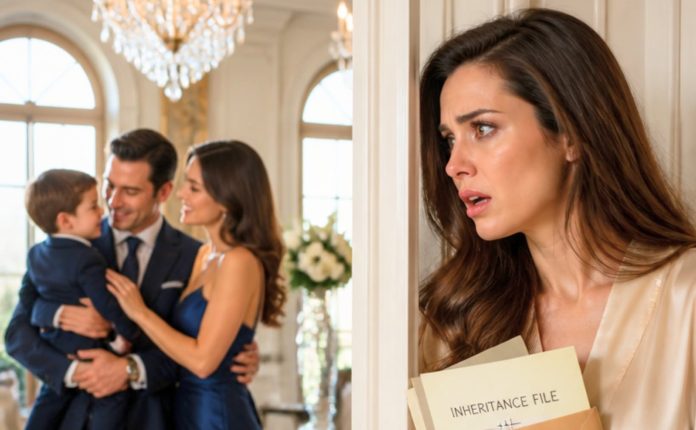
A week before he died, Dad asked me to bring him a blue folder from the desk drawer in his study. I handed it over and turned away, thinking he wanted privacy. Instead, he said, “Stay.” He rested his hand on the folder and looked more tired than I had ever seen him. “Not everyone who calls themselves family deserves the word,” he said quietly.
I didn’t ask what he meant. I wish I had.
After the funeral, the masks came off almost immediately. Ryan began discussing the house value in the church parking lot. Caleb asked when the lawyer meeting was scheduled before the flowers had even wilted. Aunt Denise called me twice to say I should “be careful not to take on too much authority” just because I had been helping Dad. The accusation underneath her tone was obvious.
The meeting at the attorney’s office was set for the following Thursday. I arrived early, mostly because I couldn’t bear the thought of being late to anything related to Dad. Ryan came in with his wife, polished and solemn. Caleb showed up looking restless, tapping his foot like he was waiting for a flight. Denise arrived uninvited and announced that she was “just here for support.”
Dad’s attorney, Mr. Heller, was a quiet man with silver glasses and the patience of someone who had seen every variation of inheritance ugliness. He offered condolences, waited for the room to settle, and then opened the file in front of him. My heart beat so hard I could hear it in my ears.
The will began with simple bequests. Donations to the local veterans fund. A gift to the church food pantry. His old watch to a lifelong friend. Ryan looked annoyed already, as though every dollar not headed toward the family was a personal offense. Caleb stared at the table. Denise folded her arms.
Then came the house.
Mr. Heller read clearly: my father’s home, including all furnishings and contents not otherwise listed, was to be transferred solely to me. Ryan made a choking sound. Caleb actually laughed, a short disbelieving burst. Denise leaned forward and demanded, “That can’t be right.”
But it was right. And it was only the beginning.
My father had also left me majority control of his investment account, with smaller distributions to Ryan and Caleb contingent upon the settlement of certain private debts documented in an attached letter. At that, Ryan went pale. Caleb sat up straight. Mr. Heller removed another envelope and said, “Your father requested this be read aloud.”
The letter was written in Dad’s careful block handwriting. It explained that over the last decade, Ryan had borrowed significant amounts of money from him under the pretense of business hardship and never repaid it. Caleb had repeatedly taken “temporary assistance” that also never returned. Dad listed dates, amounts, and the promises each son had made.
Then came the sentence that changed the room forever: “My daughter, Elena, never once asked me for money. She gave me time, labor, dignity, and loyalty. If anyone questions why she receives more, let them first explain why they believed they deserved what they did not earn.”
No one spoke for several seconds. The silence felt sacred.
Ryan recovered first, as people like him always do. He accused me of manipulation. Said I must have influenced Dad while he was sick. Claimed this was elder abuse in reverse, a phrase so absurd it would have been funny if it weren’t so cruel. Caleb muttered that Dad hadn’t been in his right mind. Denise said the will should be contested immediately.
Mr. Heller calmly slid three copies of my father’s medical competency assessments across the table. Each one confirmed he had been fully lucid when the will was executed and later revised. Then he produced signed acknowledgments of prior loans made to Ryan and Caleb. Dad had documented everything. He had seen the storm coming and left umbrellas only for the honest.
Ryan exploded. He said I had poisoned Dad against the family. I turned and looked at him for what felt like the first time in my life. Not as my brother. Not as blood. Just as a man who thought proximity entitled him to reward. “You did that yourself,” I said.
Caleb cried. Real tears, I think, though whether from grief or fear, I can’t say. He said he had meant to pay Dad back. He said life had gotten complicated. He said Dad knew he had a good heart. Maybe once he did. But goodness that never survives inconvenience is not goodness. It is branding.
The contest threats lasted three months. My brothers hired a lawyer and then backed down once they saw the documents, the letters, the recordings, and the notes Dad had kept. I hadn’t known he’d saved voicemails from Ryan asking for “one last bridge loan” or texts from Caleb promising repayment “after tax season.” My father had loved them, but he had finally stopped trusting them.
The hardest part was the way extended family reacted. Some congratulated me in whispers, as if fairness were a scandal. Others called me selfish for refusing to “share equally.” I learned that many people use the word equal when they really mean convenient. They wanted peace at my expense because that is the easiest kind of peace to request.
I moved into Dad’s house six months later. Not because I needed it, but because I couldn’t stand the idea of strangers tearing through the place where he had lived and laughed and sat at the kitchen table pretending not to enjoy my company. I restored the porch swing he loved and planted marigolds along the walkway, just like he used to every spring.
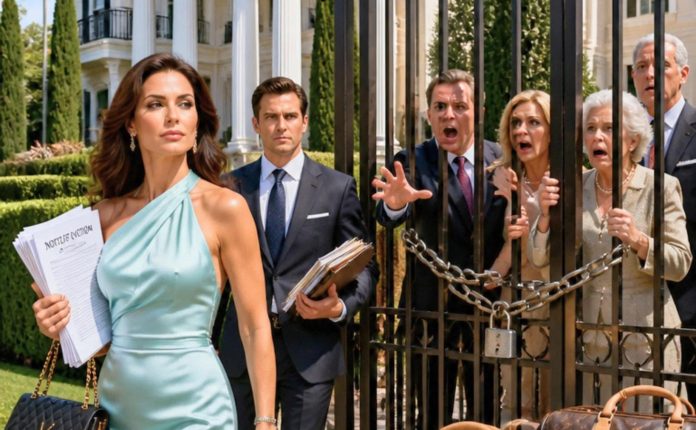
Ryan has not spoken to me since the settlement finalized. Caleb sends the occasional birthday text, as if shallow politeness might erase history. Denise tells people the whole situation “divided the family.” That isn’t true. Money didn’t divide us. The will didn’t divide us. The truth did. It merely revealed the fractures that had been hidden under tradition and obligation for years.
Sometimes I sit in Dad’s study and think about that blue folder. I wonder how long he had known exactly who each of us was. Maybe parents see more than children believe. Maybe love does not blind them forever. Maybe, in the end, my father did the most loving thing he could: he refused to let his final act become another reward for greed.
When the lawyer opened that will, my family expected money. What they got instead was a mirror. And some reflections are impossible to live with.